Tools & Comparisons
Visitor Intelligence
DemandSense vs Vector: Pricing, Use Cases, and Key Differences
DemandSense vs Vector after Vector’s September 2026 relaunch: account stages, ad audiences, deal stories, the Conversions API, MCP and pricing.
Visitor Intelligence
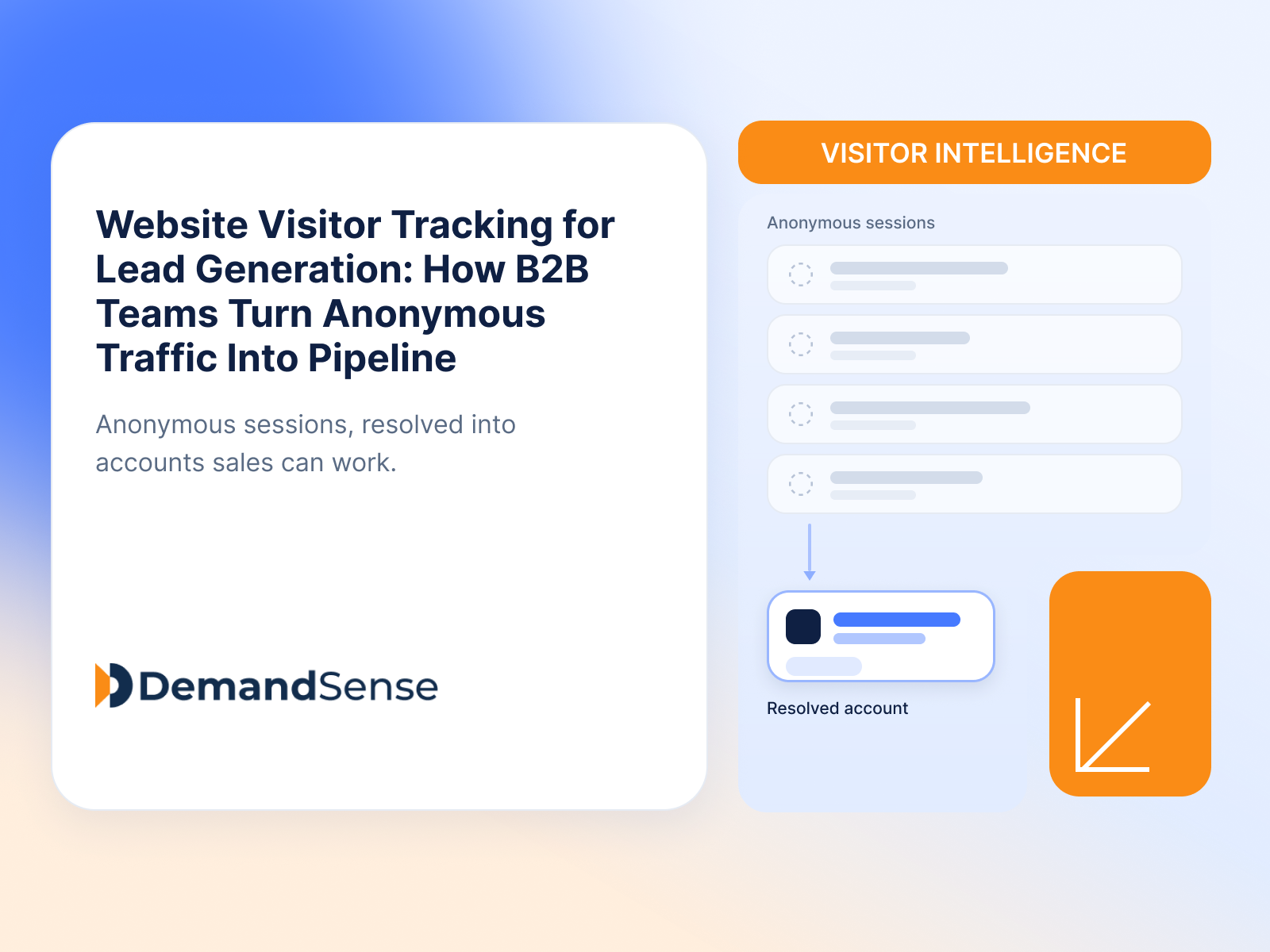
Most B2B marketers track impressions, clicks, and website traffic, but rarely know who is behind that traffic. GA4 shows anonymous sessions. Ad platforms show impression data. CRMs show leads. But the middle layer – everything that happens before a form fill or demo request – remains invisible.
This creates a major disconnect between the traffic you pay for and the outcomes you can actually measure.
Anonymous visitor identification solves that problem.
Instead of guessing whether your campaigns attract your ideal customers, marketers can now see which companies visit the website, where they come from, and how they engage with content. Some platforms can even match individual-level signals when allowed and compliant.
For teams managing LinkedIn Ads, ABM workflows, or revenue-focused funnels, this visibility is not optional anymore. It provides the clarity needed to improve targeting, optimize spend, and connect ad activity to real business outcomes.
This article explains how anonymous visitor identification works, how to use it ethically under GDPR, and how platforms like DemandSense help modern B2B teams uncover the story behind their anonymous traffic.
Anonymous visitor identification reveals which companies and (when legally permitted) which individuals visit your website before they fill out a form or request a demo.
Traditional analytics tools like Google Analytics track sessions, page views, and traffic sources. They tell you someone visited. They don’t tell you who did it.
Visitor identification platforms go deeper. They use multiple signals to match anonymous sessions to real companies and business contacts:
The difference between analytics tracking and visitor identification comes down to intent.
Analytics tells you what happened. Visitor identification tells you who it happened to and whether they matter to your business.
For B2B teams, this matters because most buying committees don’t convert on the first visit. Anonymous visitor identification helps you spot high-intent accounts early, before competitors do, and while there’s still time to influence the decision.
Most vendors make visitor identification sound like magic. It’s not. Here’s actually how it works:
When someone visits your site, their IP address gets logged. Visitor identification platforms reverse-lookup the IP against databases of company networks.
This reveals the organization behind the visit, along with firmographic data like company size, industry, and location. Of course, the accuracy varies: corporate headquarters are easier to identify than remote workers on home networks.
Your website collects behavioral signals: pages viewed, time on site, content downloads, rand epeat visits.
First-party tracking has become essential since third-party cookies are being phased out. Platforms that rely on first-party data provide more reliable, privacy-compliant identification.
Visitor identification platforms connect dots between ad engagement and website behavior. Someone clicks your LinkedIn ad, lands on your site, and browses three case studies. The platform matches those touchpoints to show a complete journey. This multi-touch visibility reveals which campaigns actually drive engagement, not just clicks.
Once a company gets identified, platforms append additional context: tech stack, employee count, funding stage, and recent news. This enrichment layer helps you prioritize accounts based on fit and timing, not just activity.
In regions where legally allowed, platforms can match visitor sessions to specific business contacts using opt-in professional databases. This requires explicit consent mechanisms and only works in jurisdictions like the US. In GDPR regions, identification stops at the company level.
Yes, when implemented correctly.
GDPR focuses on protecting personal data. Anonymous visitor identification is compliant as long as it respects these boundaries:
What GDPR Allows:
What GDPR Restricts:
Most vendor platforms, including DemandSense, follow a privacy-first model: company-level identification works globally, while individual-level identification only activates in compliant regions like the US.
The key is understanding that company data is not the same as personal data. Knowing that “Acme Corp” visited your pricing page doesn’t identify a specific person.
Knowing that “Sarah Johnson, VP of Marketing at Acme Corp” visited does. GDPR distinguishes between these scenarios.
Responsible platforms disclose exactly what data they collect, how they source it, and where they apply individual-level matching. If a vendor can’t clearly explain their compliance model, consider that a red flag.
Most B2B marketers know their traffic numbers. They don’t know if that traffic matters.
Anonymous visitor identification answers the question that actually impacts your job: are you spending budget on accounts that could become customers, or are you paying for clicks from companies that will never buy?
Here’s how teams use this visibility:
Most LinkedIn campaigns generate traffic from companies outside your ICP. Visitor identification shows you which accounts actually engaged, so you can refine audience targeting and stop wasting budget on low-fit visitors.
Traffic doesn’t equal demand. Visitor identification reveals whether the companies visiting your site match your ideal customer profile. If your campaign drove 1,000 clicks but only 50 came from target accounts, that’s a targeting problem you can fix.
When you know which companies engage but don’t convert, you can exclude them from retargeting, adjust messaging for better conversion, or route high-intent accounts to sales. This cuts cost-per-acquisition and improves campaign efficiency.
Account-based marketing depends on visibility. Visitor identification surfaces which target accounts are showing interest, even if they haven’t filled out a form yet. Sales can prioritize outreach to accounts already familiar with your solution.
See which content resonates with high-value accounts. If enterprise companies consistently engage with case studies but SMBs prefer product comparisons, your content roadmap becomes obvious.
The gap between ad clicks and closed deals obscures ROI. Visitor identification tracks which campaigns drive not just traffic, but accounts that eventually convert into pipeline. This clarity in attribution justifies marketing spend and guides budget allocation.
Anonymous visitor identification isn’t about tracking more people. It’s about identifying the right companies at the right time and acting on that intelligence before the opportunity disappears.
Not all visitor identification tools work the same way. Match accuracy, integration depth, and privacy handling vary widely across platforms. Here’s what matters most:
Identification accuracy varies widely across vendors. Some platforms claim 90%+ match rates but only identify company names, not actionable contacts. Others provide lower match rates but deliver verified business emails.
Here’s what you can ask your vendors:
Visitor identification data is only useful if it flows into the tools your team already uses. Check whether the platform syncs with your CRM (Salesforce, HubSpot), ad platforms (LinkedIn, Google), and marketing automation tools. Manual CSV exports slow everything down.
Confirm how the platform handles data in different regions.
Platforms that can’t clearly explain their compliance model can raise compliance concerns.
Identification is step one. What happens next matters more. Look for platforms that show engagement patterns: page views, content downloads, repeat visits, session duration. These signals help you differentiate casual browsers from serious buyers.
The best platforms connect ad engagement to website behavior to pipeline influence. You should be able to see: which campaigns drove traffic, which accounts engaged deeply, and which ultimately converted into revenue. Platforms that only track website visits miss the broader attribution story.
Most teams buy visitor identification tools and then… don’t really know what to do with all the data. Here’s how you can actually use it:
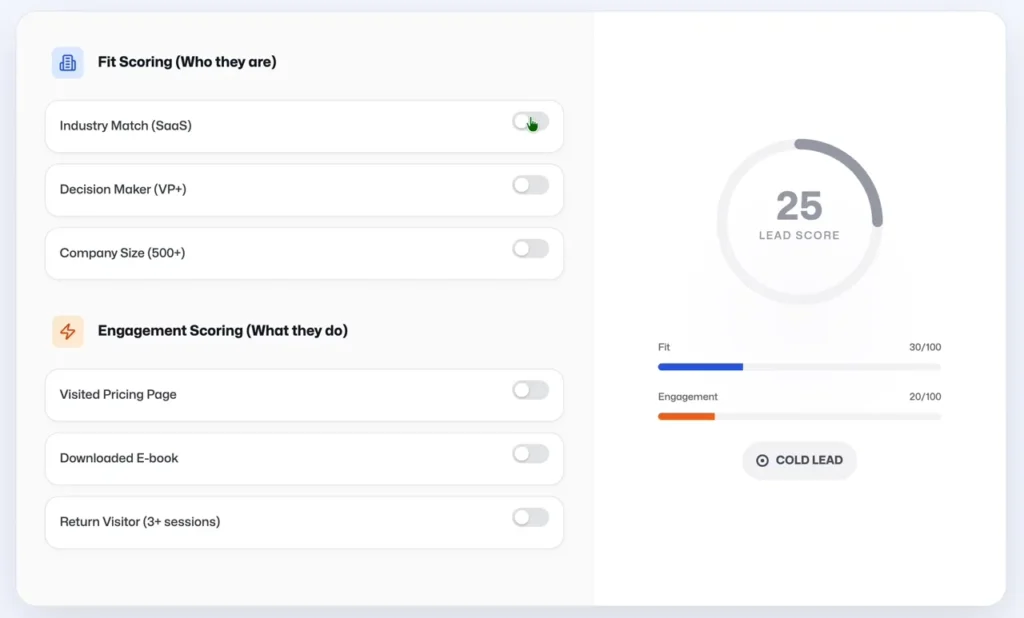
Not every identified visitor deserves immediate sales outreach. Score accounts based on fit (company size, industry, tech stack) and engagement (pages viewed, content consumed, visit frequency). Route high-fit, high-intent accounts to sales. Route warm accounts to nurture campaigns.
Visitor identification platforms generate a lot of data. If it lives in a separate dashboard, it won’t get used. Sync identified accounts and contacts directly into your CRM so sales sees the intel where they already work.
Track which content performs best with your ideal customers. If enterprise accounts engage heavily with ROI calculators but ignore blog posts, double down on calculators. Let engagement patterns guide your content roadmap.
Configure real-time alerts when target accounts visit your site. If a Fortune 500 company on your dream account list hits your pricing page, sales should know within minutes, not days.
Use visitor identification to inform LinkedIn audience exclusions and lookalikes. If certain companies consistently visit but never convert, suppress them from retargeting. If specific job titles drive the most pipeline, expand targeting to similar profiles.
DemandSense was built to solve the attribution gap that most B2B marketers face: LinkedIn’s native tracking captures 20-30% of conversions, and 96% of website visitors remain anonymous.
Stick to company-level identification in GDPR regions. Use platforms that rely on first-party tracking data and reverse IP lookups rather than invasive personal tracking. Only apply individual identification in jurisdictions where it’s legally permitted, like the US.
The best platform depends on your needs. Look for tools with high match accuracy, strong integrations (CRM, ad platforms), GDPR compliance, and full-funnel attribution. DemandSense stands out for combining LinkedIn ad tracking with website visitor identification and revenue reporting.
Yes, in regions where legally allowed (like the US) and when using contact databases with proper consent. In GDPR regions like the EU, you can identify companies but not individuals without explicit user consent.
Company-level identification typically achieves 40-70% match rates depending on traffic sources. Individual-level identification varies more widely (10-40%) and depends on the quality of contact databases. Ask vendors for accuracy benchmarks specific to your industry and geography.
It shows which campaigns drive high-fit traffic, not just clicks. You can refine targeting to attract more ICP accounts, suppress low-quality visitors from retargeting, and track which ads influence the pipeline. This reduces cost-per-acquisition and improves ROI.
Book a personalized demo and discover how we can transform your B2B marketing.
See a quick demo videoTools & Comparisons
Visitor Intelligence
DemandSense vs Vector after Vector’s September 2026 relaunch: account stages, ad audiences, deal stories, the Conversions API, MCP and pricing.
Tools & Comparisons
Visitor Intelligence
DemandSense vs RB2B on person-level identification, campaign context, alerting, ICP scoring, attribution and real pricing across every tier.
Tools & Comparisons
Visitor Intelligence
Boost B2B lead generation. Identify anonymous website visitors, track their behavior, and turn website traffic into qualified leads with visitor identification.
Get expert insights and strategies delivered to your inbox weekly.
