LinkedIn Ads
Tools & Comparisons
Best LinkedIn Automation Tools for B2B Marketing and Ads
Compare LinkedIn automation tools for B2B marketing and ads: what each automates, how it connects to LinkedIn, which CRMs it supports, and what it costs.
Case Studies
LinkedIn Ads
Industry: Software Development
Company Size: 501–1,000 employees
Campaign Type: Top-of-Funnel / Brand Awareness
Test Duration: 2 weeks
For a B2B software company serving 2,000+ clients globally, LinkedIn is a core demand generation channel. At that scale, inefficiency compounds fast. Even a moderate CPC improvement applied across multiple simultaneous campaigns isn’t incremental — it fundamentally changes what a budget can do.
This API-first analytics platform, which embeds in-context analytics directly within other applications, was running top-of-funnel awareness campaigns targeting developers, product managers, and technical decision-makers. The targeting was solid. The creative was performing. But delivery was costing more than it should.
The core issue was the same one most LinkedIn advertisers run into: no control over when ads actually serve. LinkedIn’s 24/7 default spreads budget across every hour of every day, including the hours when developers and product teams aren’t active on the platform. Technical professionals have concentrated working rhythms — and campaigns that didn’t account for those rhythms were paying for impressions in the wrong windows.
The test: could strategic scheduling change the cost structure without changing anything else?
The team ran two separate top-of-funnel campaigns using LinkedIn’s maximum delivery bidding strategy — both split into always-on (control) and scheduled (test) variants. Maximum delivery was a deliberate choice: it lets LinkedIn’s algorithm optimize aggressively for impressions without interference from manual bid adjustments, so the results would reflect timing impact, not bid strategy.
Test structure:
Scheduling parameters:
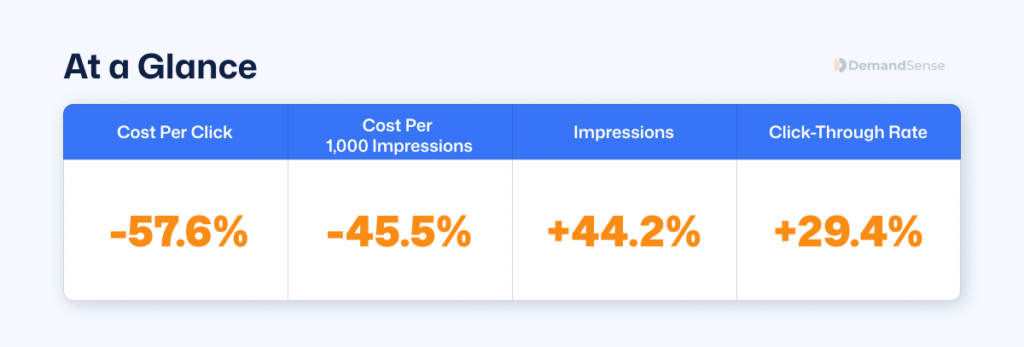
Cost per click dropped 57.6% — the largest CPC reduction across all scheduling tests we’ve run. For a company running campaigns at scale, that’s not a marginal improvement. The same monthly spend now goes nearly twice as far.
CPM fell 45.5% in parallel. Lower cost per impression combined with higher click-through rates means the campaign was reaching better-quality audiences more efficiently. That combination is what makes scheduling changes sticky — they don’t just reduce costs, they improve the quality of the interactions you’re paying for.
Impressions increased 44.2% despite running fewer total hours. Budget that was previously spread across low-value off-hours got concentrated into the windows where it actually worked. More budget in the right place means more reach, not less.
CTR improved 29.4% — the strongest click-through improvement across all the scheduling tests we’ve run. For top-of-funnel awareness campaigns targeting technical audiences, that’s a meaningful signal: developers and product managers engage more with content shown during their working hours than during off-peak times. Timing created better context for engagement.
For a software company running multiple LinkedIn campaigns across different segments, these efficiency gains don’t apply to just one campaign — they apply across the account. A 57% CPC reduction compounding across every scheduled campaign changes the math quickly.
Better engagement metrics also improve LinkedIn’s quality signals over time. Higher CTR leads to better delivery in future auctions, which further reduces costs. Scheduling doesn’t just change what you pay today — it changes the trajectory of what you’ll pay going forward.
Technical decision-makers — developers, engineering managers, product leaders — use LinkedIn professionally and purposefully during work hours, not as a passive social feed. Content that reaches them in that context earns more genuine engagement than content that shows up at 11pm.
Maximum delivery bidding amplified the effect. With LinkedIn’s algorithm optimizing aggressively for impressions, the scheduling parameters became the primary filter — and they worked exactly as intended. The algorithm found the right people within the scheduled windows more efficiently than it could across 24 hours of delivery.
Two campaigns showing consistent improvement also eliminates single-campaign variance as an explanation. The timing effect wasn’t specific to one creative or audience segment — it applied consistently across both tests.
Technical audiences have defined working patterns. Developers and product managers use LinkedIn professionally, and that usage is concentrated in working hours. Ads that reach them during those windows perform better because of context — not just because of who they are.
Maximum delivery bidding pairs well with scheduling. Let LinkedIn’s algorithm do what it does best, within better parameters. Don’t fight the algorithm; give it better boundaries to work within.
57% CPC reduction at scale changes the math entirely. For companies running LinkedIn as a sustained demand generation channel, this level of efficiency improvement changes what campaigns are viable, what budgets can accomplish, and what results leadership should expect.
Consistent results across two campaigns is the signal worth acting on. Both campaigns improving in similar ranges means scheduling is worth rolling out broadly — not just testing once.
These results came from a controlled test using DemandSense’s ad scheduling capabilities. If you’re running LinkedIn campaigns and wondering whether strategic timing could improve your performance, the only way to know is to test it.
Watch a quick demo to see how DemandSense’s LinkedIn ad controls work, or learn more about our scheduling features.
Book a personalized demo and discover how we can transform your B2B marketing.
See a quick demo videoLinkedIn Ads
Tools & Comparisons
Compare LinkedIn automation tools for B2B marketing and ads: what each automates, how it connects to LinkedIn, which CRMs it supports, and what it costs.
LinkedIn Ads
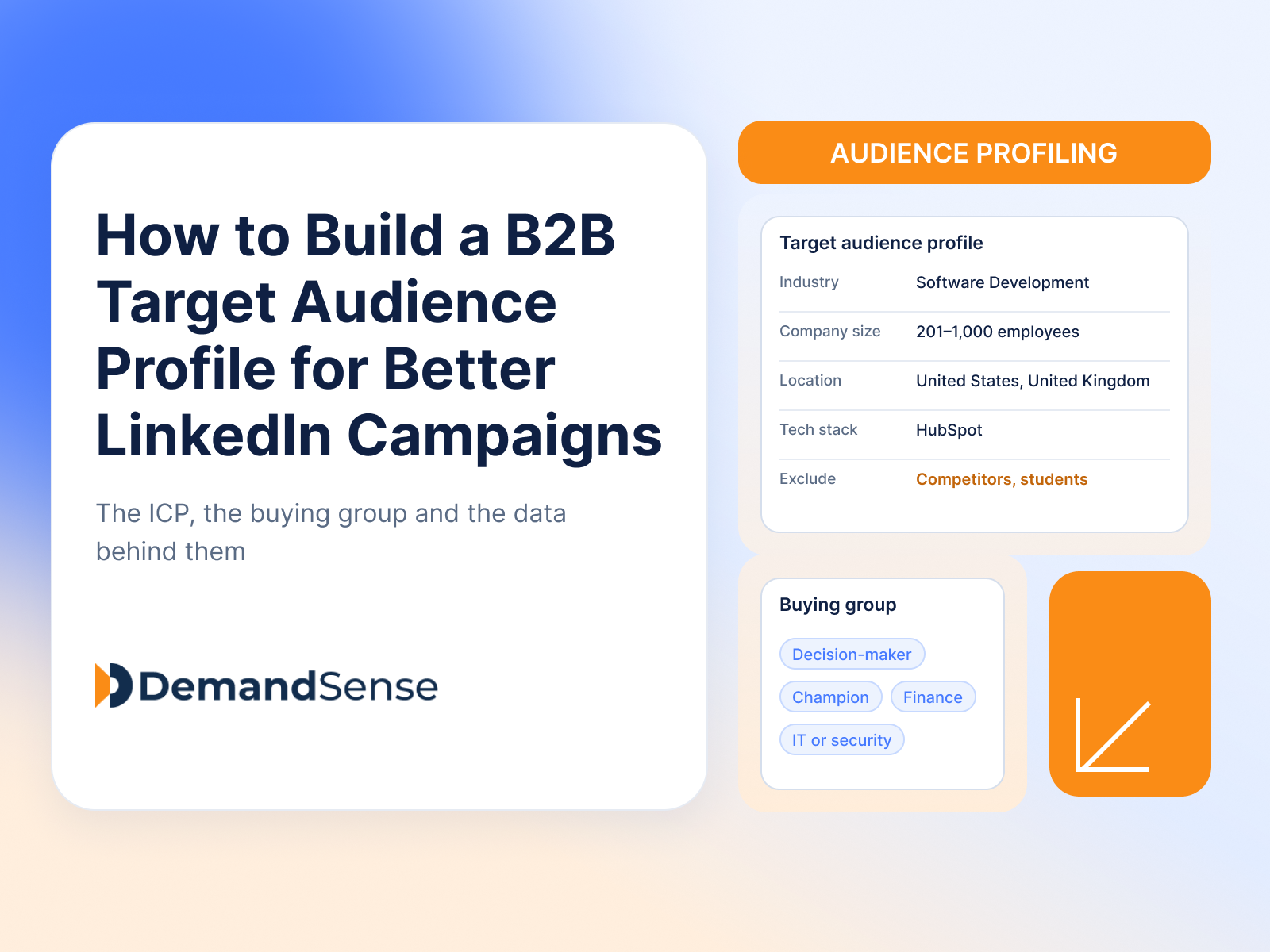
How to build a B2B target audience profile for LinkedIn Ads: the ICP, the buying group, the data that defines them, and how to turn it into campaigns.
LinkedIn Ads
LinkedIn Matched Audiences often match less than you expect. How match rates work, why lists stall under 300, and what to fix before you launch.
Get expert insights and strategies delivered to your inbox weekly.
