LinkedIn Ads
Tools & Comparisons
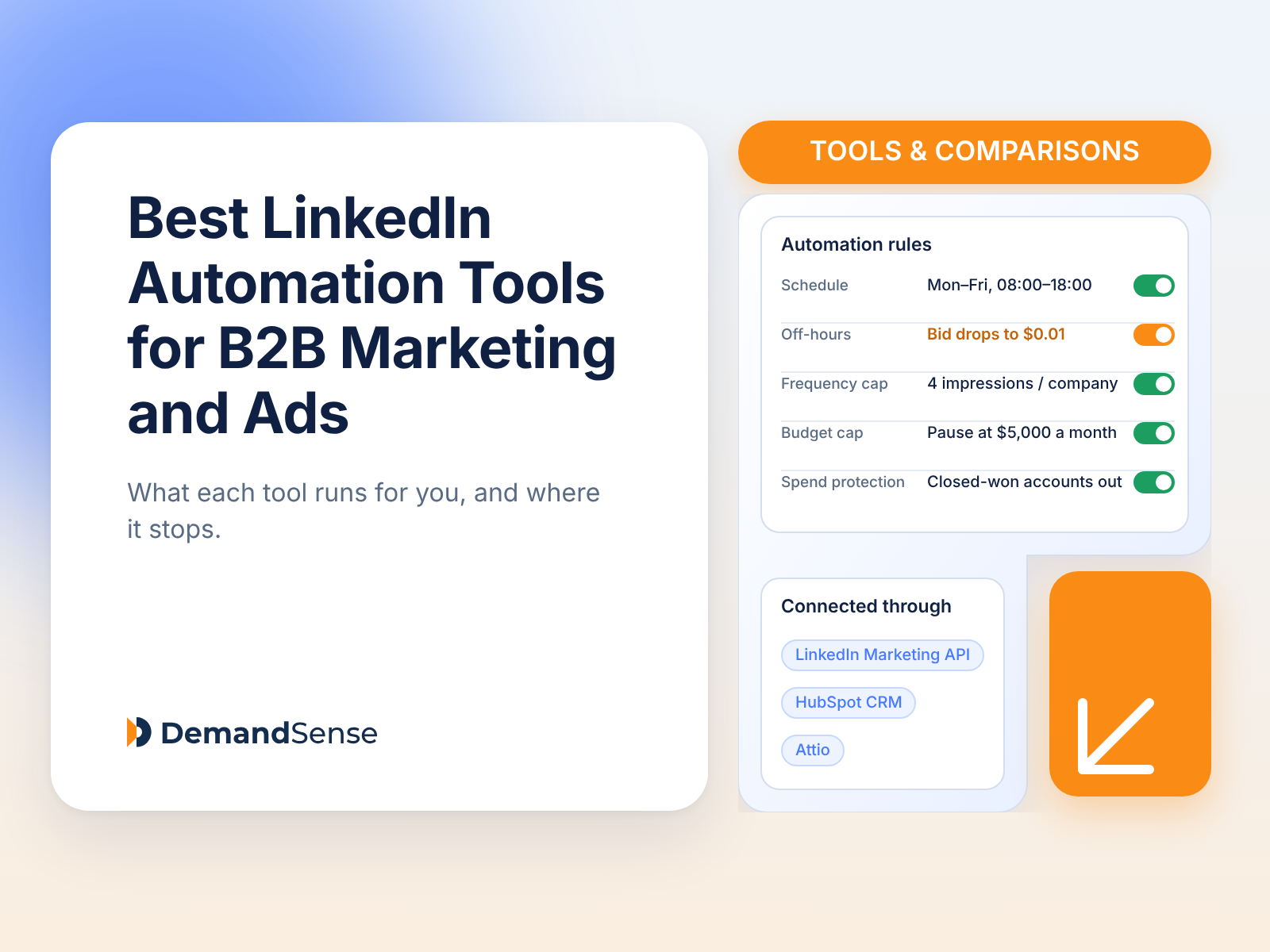
Best LinkedIn Automation Tools for B2B Marketing and Ads
Compare LinkedIn automation tools for B2B marketing and ads: what each automates, how it connects to LinkedIn, which CRMs it supports, and what it costs.
LinkedIn Ads
Most B2B marketers think about audience targeting, ad creative, and budget caps. What they don’t think about? The fact that LinkedIn doesn’t care what time zone their buyers live in.
Every campaign budget on the platform resets at exactly 00:00 UTC. Not your local time. Not your audience’s time zone. Your ads are tuned to a global clock that probably doesn’t match where your ICP is based.
Here’s what it means for your campaigns: when your budget resets and starts spending has almost nothing to do with when your buyers are actually online and scrolling.
What can the disconnect look like?
This timing mismatch is why LinkedIn’s time zone quirks actually matter. Without planning around it, your budget gets eaten up during low-activity hours. And since LinkedIn will spend your money as quickly as possible, those dollars aren’t always reaching the right people at the right time.
 Free Tool
Enter your website. We benchmark your LinkedIn ads against top performers in your vertical and email you a free report in 30 min.
Analyze My AdsAd scheduling isn’t a silver bullet, but it’s one of the highest-leverage optimizations you can make for direct response campaigns.
It matters most when you’re running conversion-focused campaigns with limited budgets. If you’re working with $5K-$50K monthly spend and need every dollar to count, timing can be the difference between hitting your CPA targets and blowing through budget on low-intent impressions.
Of course, not all campaigns are equally dependent on timing. Brand awareness campaigns where you’re optimizing for reach, retargeting audiences under 10K (they’re online sporadically anyway), or ABM plays where you’re hitting a small list of named accounts (volume isn’t the constraint) are less hurt by the automatic reset.
Yet, even in these cases, controlling delivery timing rarely hurts performance. It just matters less.
The real opportunity is in matching delivery windows to engagement patterns. B2B audiences spike during commutes (7-9am), lunch breaks (12-1pm), and late afternoon wind-downs (3-5pm). Concentrating spend during these windows typically improves performance across the board—but only if your creative and targeting are already dialed in.
LinkedIn doesn’t offer native scheduling. So if you want your ads running when your audience is actually active, you’re either manually toggling campaigns on and off or watching budget vanish during dead hours.
And here’s how you can change it with tools like DemandSense: With built-in ad scheduling, you can set time blocks by hour, day, or region, matching your delivery to actual business hours instead of letting LinkedIn blow through your spend whenever it wants.
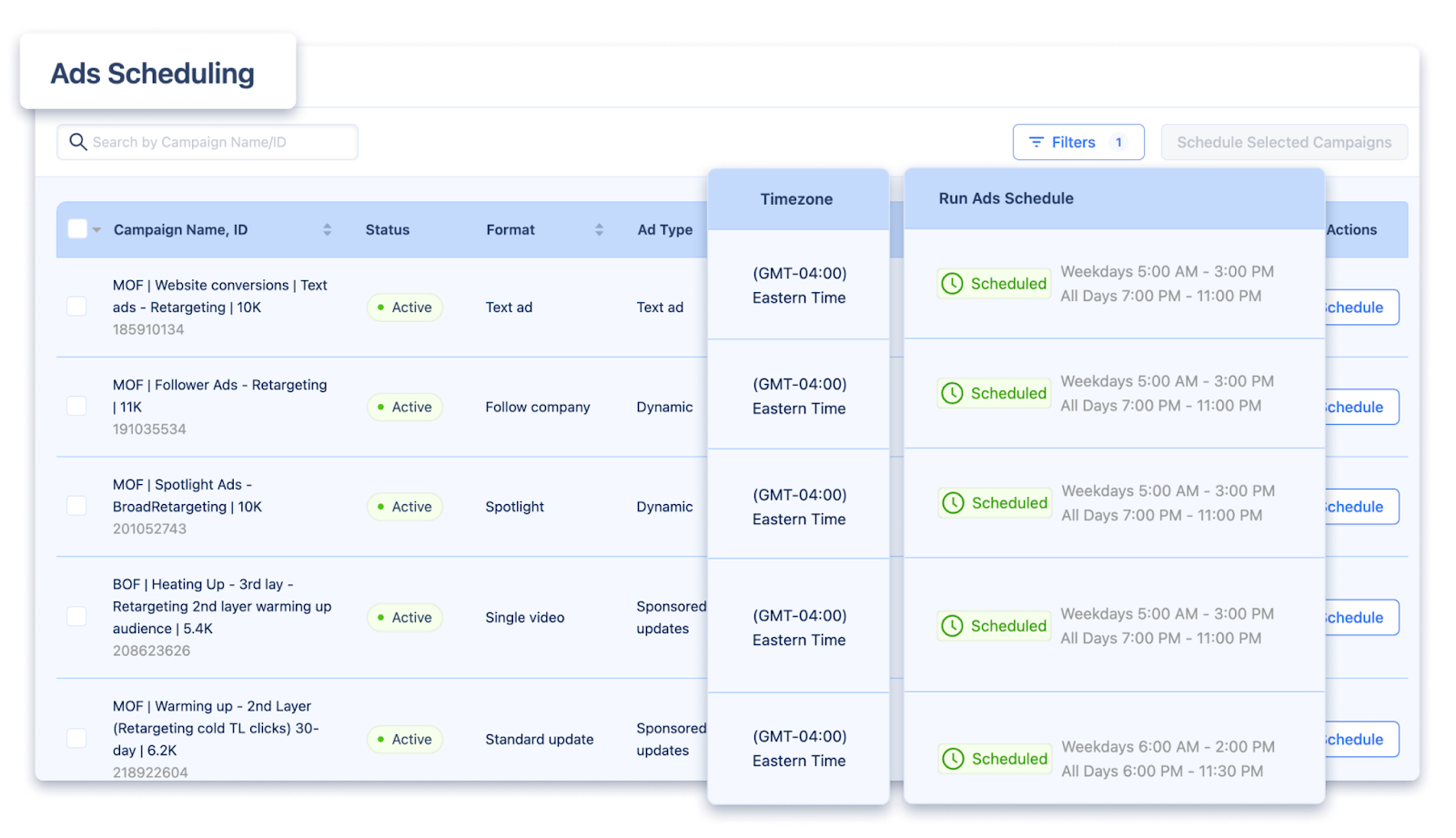
Since it’s time zone aware, you can hit peak hours in each market without managing multiple schedules manually.
Once you set your parameters, the schedule runs on them, lowering the bid in the off hours instead of pausing the campaign, which keeps LinkedIn’s optimization history intact. You also get budget controls at the account level, so you can group campaigns together and prevent overspend before it happens.
We wanted to see how much scheduling actually impacts the performance, so we ran a two-week A/B test. One campaign used LinkedIn’s standard always-on delivery. The other used DemandSense scheduling.
Same audience. Same creative. Different timing strategy.
The scheduled campaign focused on weekday business hours: concentrating budget between 9am and 3pm and cutting weekends entirely. We also aligned delivery to each region’s local time zone.
Here’s what happened:
These aren’t small improvements. Cutting CPC in half while expanding reach shows just how powerful scheduling can be for reducing LinkedIn costs and boosting overall performance.
And remember: manual toggling isn’t sustainable long-term.
Scheduling through DemandSense makes this scalable: your campaigns run when buyers are online, not just when LinkedIn feels like spending your budget. Check the schedule against the Hourly Breakdown from time to time, since audience habits shift.
LinkedIn resets daily budgets at 00:00 UTC, and always-on delivery means your spend often fires off when buyers aren’t even on the platform. The result? Wasted impressions, higher costs, and weaker performance.
Ad scheduling gives you control back. It focuses your budget on hours that actually drive clicks and conversations.
A 50% CPC reduction essentially means doubling your reach for the same spend, or cutting your budget in half while maintaining the same volume of clicks.
For most B2B campaigns, that’s the difference between hitting your pipeline targets and missing them.
Timing isn’t everything in B2B advertising. But it’s one of the few levers that consistently improve performance without adding complexity to your campaigns.
Left alone, LinkedIn spends on whoever is active now, and the money goes to the wrong hours, the wrong people, and the same people too often. Try DemandSense scheduling on your own campaigns, free for 30 days — no card needed.
Book a personalized demo and discover how we can transform your B2B marketing.
See a quick demo videoLinkedIn Ads
Tools & Comparisons
Compare LinkedIn automation tools for B2B marketing and ads: what each automates, how it connects to LinkedIn, which CRMs it supports, and what it costs.
LinkedIn Ads
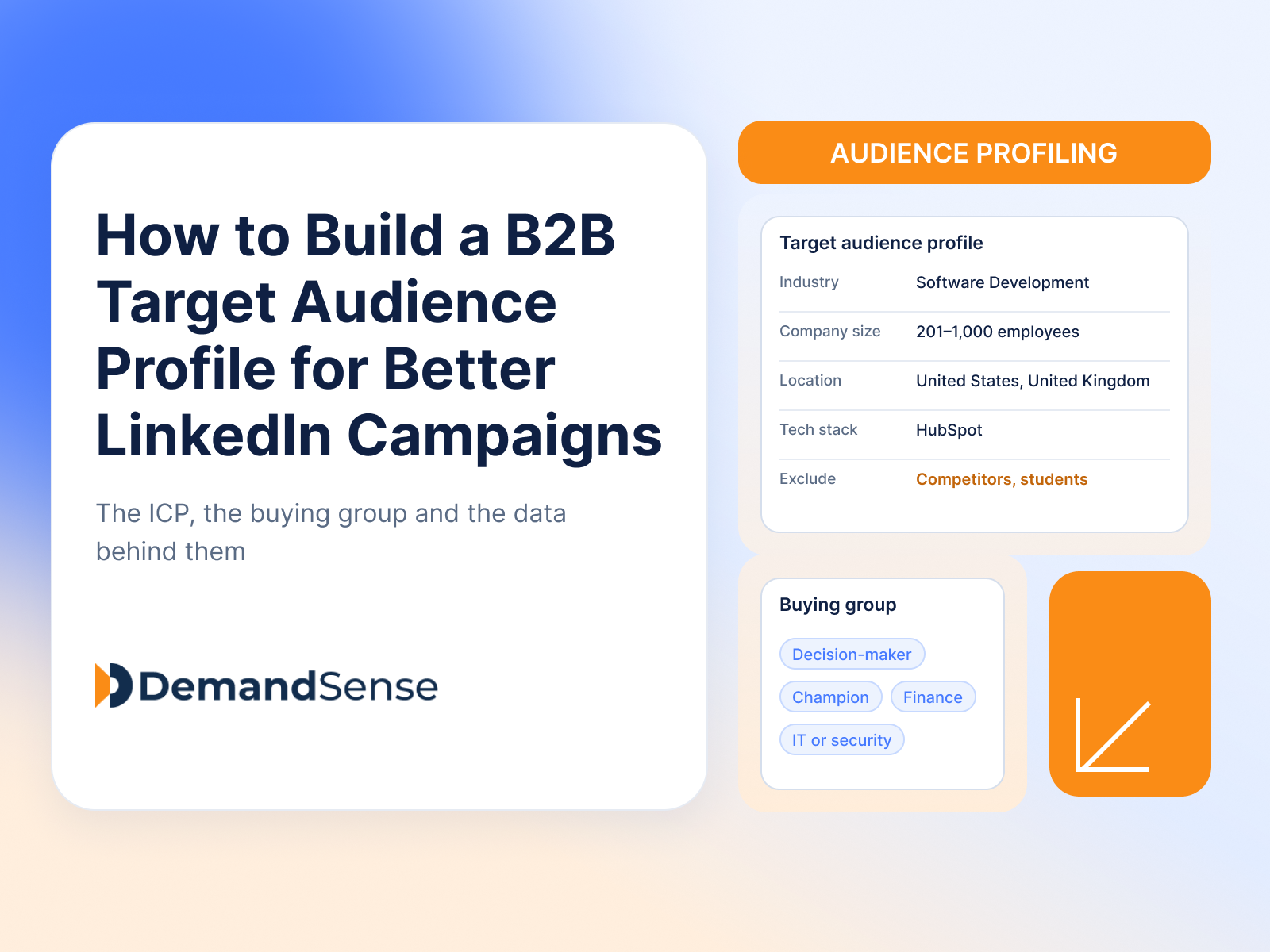
How to build a B2B target audience profile for LinkedIn Ads: the ICP, the buying group, the data that defines them, and how to turn it into campaigns.
LinkedIn Ads
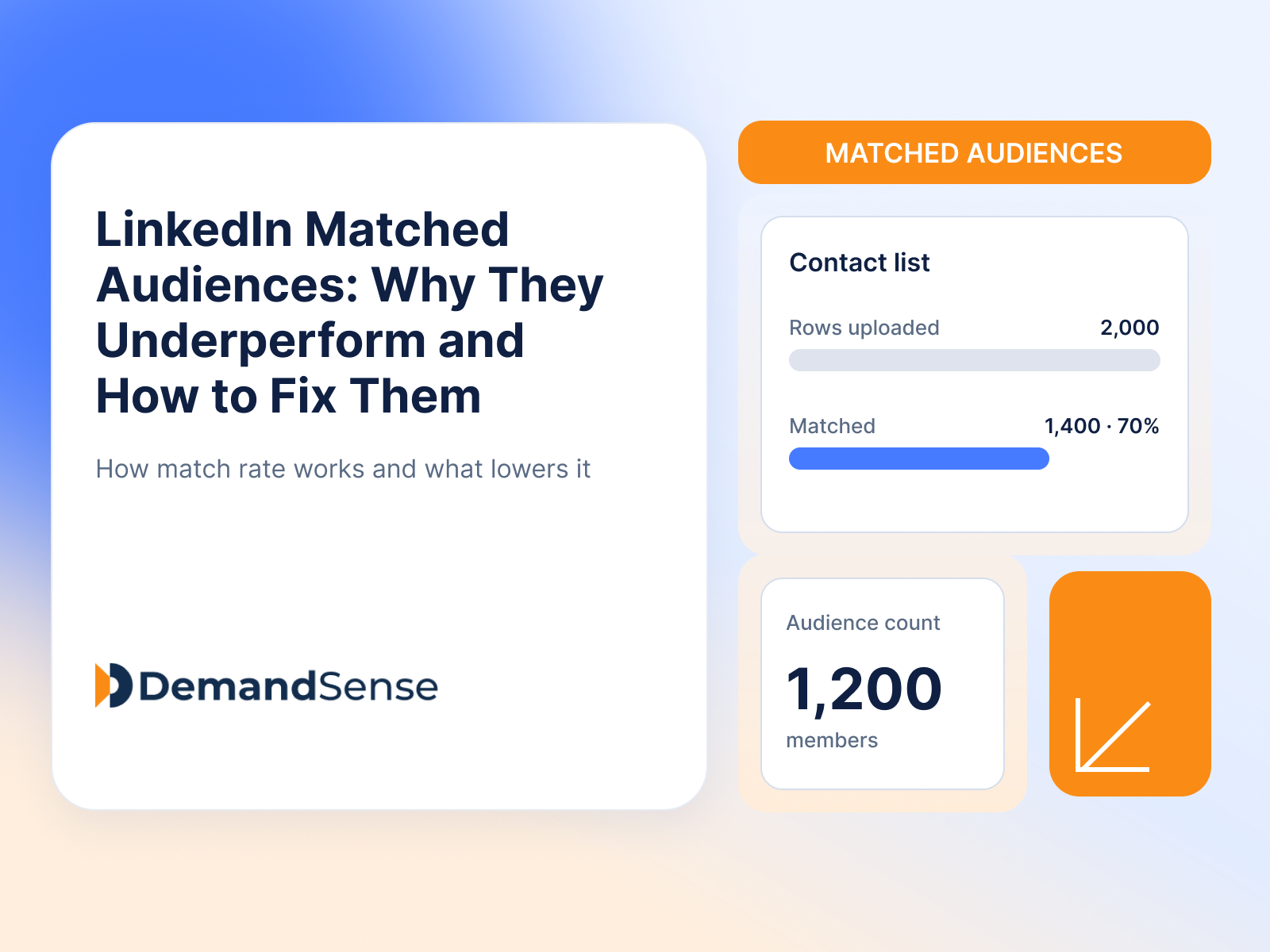
LinkedIn Matched Audiences often match less than you expect. How match rates work, why lists stall under 300, and what to fix before you launch.
Get expert insights and strategies delivered to your inbox weekly.
